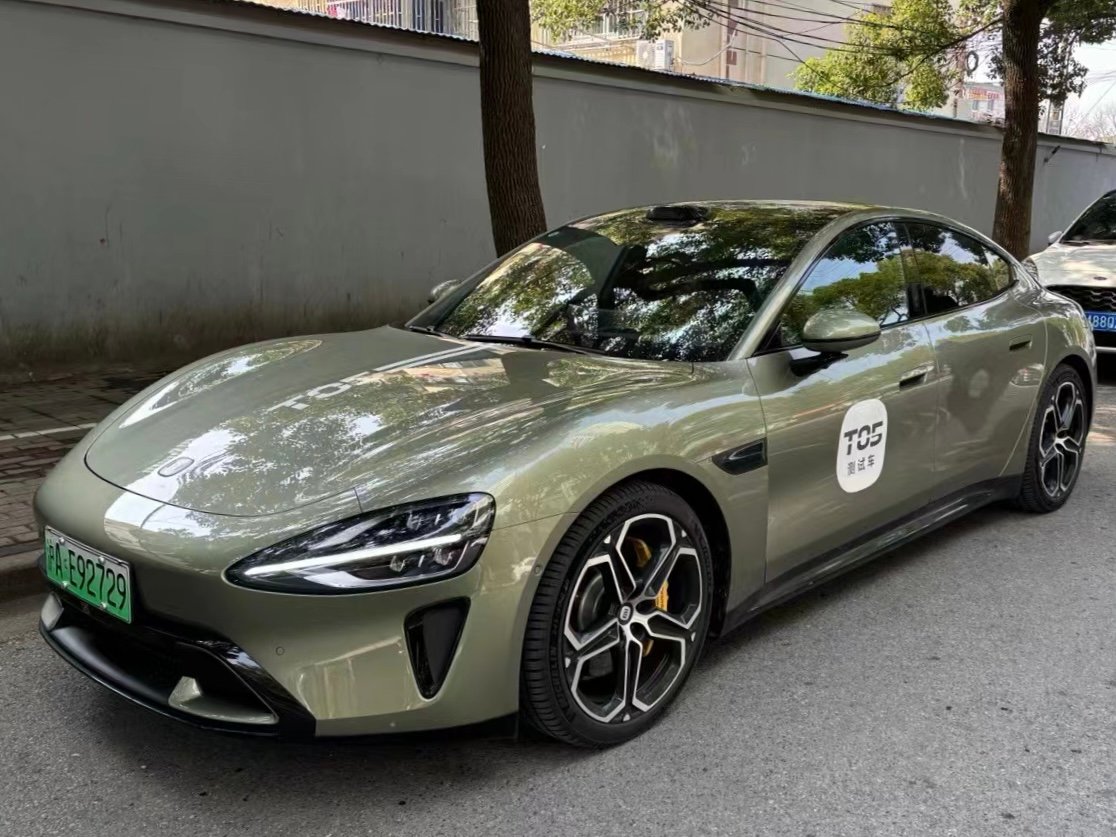
Xiaomi, best known for smartphones, said on Sunday that it delivered more than 50,000 electric vehicles in October. According to Reuters, via StreetInsider, that is the company’s highest monthly total this year. Below is what the report says, followed by some labelled analysis.
What Reuters reported
- October deliveries topped 50,000 vehicles, a 2026 monthly high.
- Deliveries for the first ten months came to about 336,000 vehicles.
- Xiaomi topped 30,000 units in August and 40,000 in September.
- The company’s target for 2026 is 550,000 deliveries.
The ramp, step by step
The monthly progression is the interesting part. Going from more than 30,000 in August to more than 40,000 in September and then more than 50,000 in October means the company added roughly 10,000 monthly deliveries in each of the last two months, going by the thresholds Reuters gives. Those are floor figures, not exact totals, so the real steps could be a little different.
Will Xiaomi hit its 550,000 target?
Reuters says the January to October total is about 61% of the full-year goal. Simple arithmetic shows how much is left: 550,000 minus roughly 336,000 leaves about 214,000 vehicles for November and December, or around 107,000 a month on average. That is more than double October’s pace.
That calculation is ours, not Reuters’, and it ignores seasonal factors. It does suggest that reaching the target would need a much bigger jump than anything in the recent monthly pattern, unless the company expects a very strong year-end. Reuters says only that Xiaomi is ramping up production to meet the target. We cannot say whether it will succeed.
The comparison with legacy automakers
The pitch for this story was a contrast with legacy automakers struggling to keep EV lines running. The Reuters report does not make that comparison, and it has no data on other manufacturers, so we are not claiming it. What the report supports is narrower: one new entrant has increased monthly deliveries for several months in a row and still has a large gap to close to meet its annual goal.
Why US readers might care
The sources provided do not say anything about Xiaomi selling cars in the United States, and we have no confirmation of any US plans. For American buyers, this is mostly a signal about how quickly new competitors can scale. Whether that pressures prices or product choices here is speculation on our part.
A note on home charging
This is general advice, not from the Reuters report. If you are considering any EV, a Level 2 home charger is usually the most practical way to charge, and the connector type matters. Many newer models sold in the US are adopting the NACS connector, so check which port a specific car uses and whether you will need an adapter before buying equipment.
Sources
Photo: Zoerides / Wikimedia Commons, CC0. Source. The image shows a Xiaomi SU7.