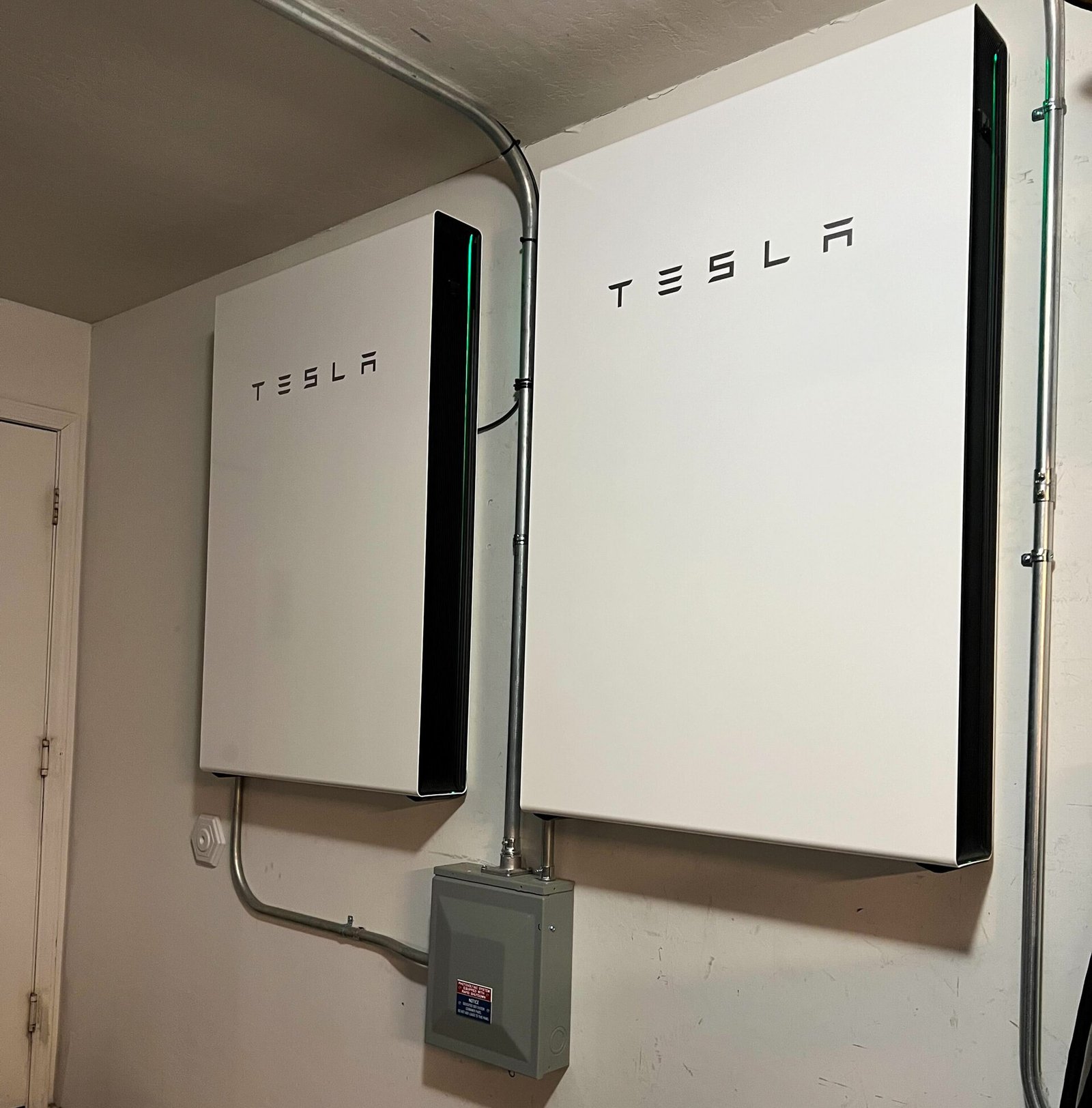
Does Tesla Powerwall work with a heat pump? As of this month, in Europe, yes: Tesla has launched Heat Pump Optimization for the Powerwall 3 and the three-phase Powerwall 3P. For US readers the answer is more limited, because Electrek reports the feature is live only in Europe and Tesla has said nothing about bringing it to the US or Canada.
What Heat Pump Optimization actually does
The Powerwall watches electricity prices and solar production through the day. It then sends the heat pump one of two recommendations: run normally, or boost. On a boost signal, the heat pump heats water beyond what the home needs at that moment, usually into a hot water or buffer tank. That stored heat lets the heat pump run less when power is expensive.
What triggers a boost depends on the Powerwall’s operating mode, according to Electrek. The feature is meant to use surplus solar or cheap grid power, not to drain the battery.
How the connection works: SG-Ready relays
There is no cloud link between Tesla and heat pump brands. The connection is a physical wire. The feature relies on SG-Ready, a label the German Heat Pump Association introduced in 2012 with 17 manufacturers. It uses two relay contacts on the heat pump to signal four operating states, and Tesla uses only the normal and boosted recommendations.
Electrek lists several limits. The signals are recommendations, so the heat pump’s own thermostat settings can override them. Each signal must be held for at least 10 minutes. During a power outage the feature falls back to normal so the Powerwall can prioritize backup loads. There is also no on/off toggle in the Tesla app once the wiring is done.
Tesla Powerwall thermal storage: the numbers
Electrek’s example explains why this is attractive. A 300-liter hot water tank heated an extra 30 degrees Celsius holds about 10.5 kWh of heat. With a heat pump coefficient of performance of 3, storing that takes only about 3.5 kWh of electricity. A tank many European homes already have can therefore absorb a large share of midday solar without touching the battery. It leaves the Powerwall’s 13.5 kWh free for loads that cannot be stored as heat.
The pitch is that this saves battery cycles. Electrek says the tank soaks up solar without using the lithium. It does not quantify how much battery wear is avoided, so treat any specific savings figure as unproven.
What this means for US homes
Electrek says the SG-Ready standard barely exists in North America. A heat pump with Tesla Powerwall setup like the one Tesla describes therefore depends on equipment that is hard to find in the US today. Anyone with a US heat pump should ask the installer whether it has an external relay input and whether a battery vendor supports it. Do not assume a Powerwall can control it.
The idea is not new. Electrek notes that sonnen shipped a 2023 update letting its home battery run heat pumps from surplus solar, beginning with NIBE units, and that SG-Ready control has been common in German solar energy managers for years. Tesla is late to this, in other words, and US availability is an open question.
Costs are also unanswered. Electrek gives no pricing for the feature or for a Powerwall 3 installation, so we cannot quote a figure. Get a written quote from a licensed installer.
Where EV charging fits in
This section is general advice, not from the sources. A heat pump, a home battery and an EV charger all draw from the same electrical panel and often the same solar array. If you plan all three, ask an electrician to check panel capacity and load management. Scheduling the EV to charge during surplus-solar or off-peak hours follows the same logic as boosting a water tank: shift flexible loads to when power is cheap.
Our view, labelled as opinion: the story is a useful template for the US even though the feature is not available here. Flexible loads such as EV charging and water heating can soak up cheap energy without more batteries.
Sources
Photo: Rsparks3 / Wikimedia Commons, CC0, showing two Powerwall 3 units installed in a home. Source page.