Are used EV prices going up? For September 2026, yes. InsideEVs, citing an iSeeCars study, reports that used EV prices rose 9.8% compared with September 2025. That is a sharp swing for a segment that spent the last few years getting cheaper, and it matters if you are shopping for a pre-owned electric car this winter.
Are used electric car prices going up faster than gas cars?
By a wide margin. InsideEVs says the 9.8% rise for used EVs is double the 4.8% increase for used hybrids, while used gas cars gained only 0.3%. The brief this article draws on puts the average used EV transaction price at $32,533, reportedly from the same iSeeCars data. I could not open the iSeeCars study itself, so treat that dollar figure as secondhand.
The same summary says used EVs took an average of 41.9 days to sell, versus 54.8 days for used combustion cars, a gap of nearly two weeks. Again, that comes via the brief rather than a page I could read directly.
Why are used EV prices going up?
iSeeCars executive analyst Karl Brauer, quoted by InsideEVs, points to higher fuel prices as the likely driver. He also says the EV segment has recovered from the demand turbulence that followed the loss of federal incentives a year ago. InsideEVs adds its own read that high fuel prices have hurt demand for gas and diesel cars.
My interpretation, labelled as opinion: when new-EV incentives disappear, some shoppers shift to used cars, and a tighter supply of good used EVs can lift prices. The sources do not test that explanation, so it is a hypothesis rather than a finding.
The fastest selling used EVs
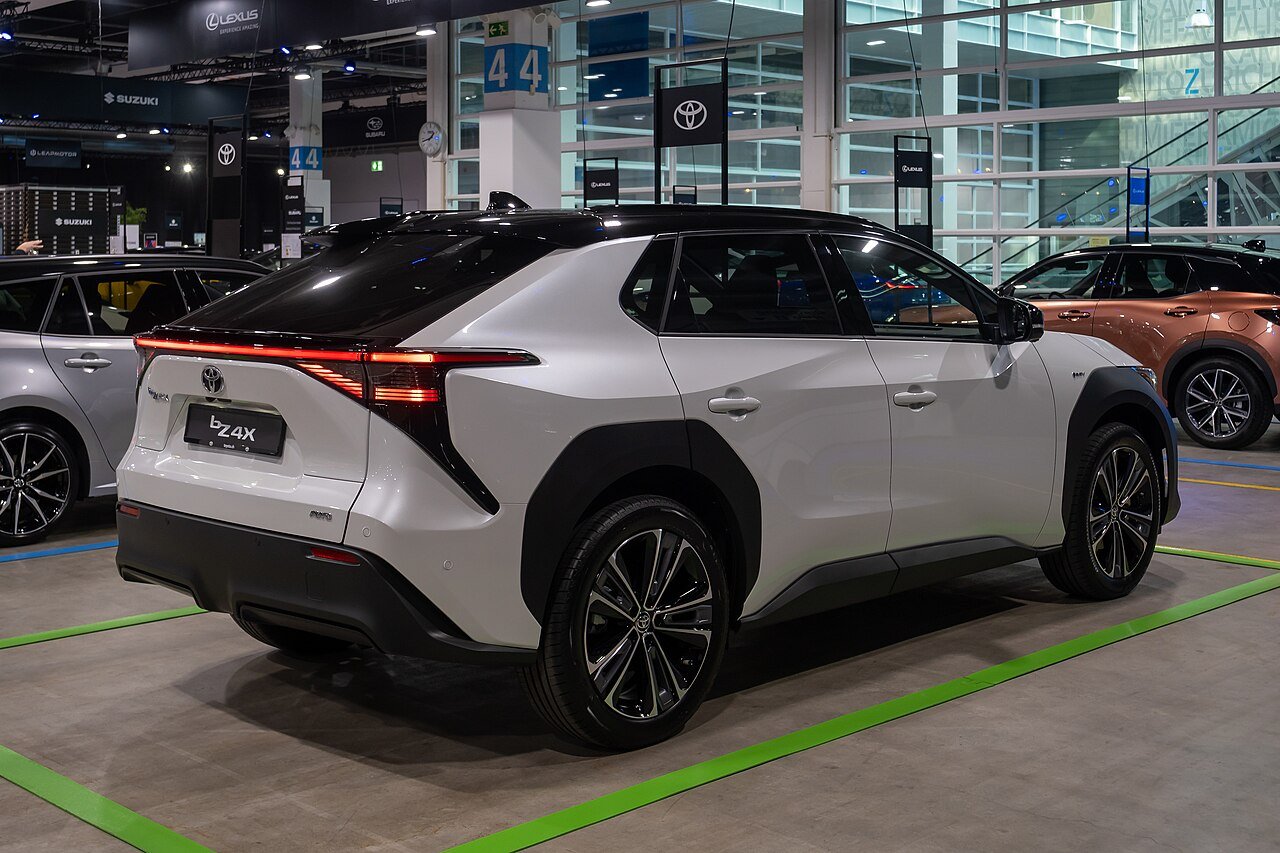
According to the brief, compact and luxury electric crossovers lead the fastest selling used EVs list, topped by the Audi Q4 Sportback e-tron, Toyota bZ4X and Lexus RZ 300e. InsideEVs notes a surprise: no Tesla made the top 10 of best-selling used EVs in September 2026, even with plenty of used Teslas on the market.
InsideEVs also says the GMC Sierra EV, Chevy Silverado EV, Volvo EX90 and Hummer EV appear on the iSeeCars list, which it reads as a sign that GM’s large Ultium trucks are not especially popular used. I could not see the full ranking, so check the original study for exact order and numbers.
Are used EVs worth buying at these prices?
It depends on the car and the price you can negotiate, and no single study answers that. Two points from the coverage help. First, faster sales mean less time for a listing to sit and soften, so waiting for deep discounts on popular crossovers may not pay off. Second, InsideEVs cites a Swedish battery degradation test as evidence that EVs lose less range over time than once feared. I did not review that test, so I am relaying InsideEVs’ summary only.
Practical advice, based on general good practice and not on these sources: ask for a battery health report if the seller or dealer can provide one, and look up any open recalls by VIN on the NHTSA site before you sign.
The home charging side of a used EV purchase
A higher sticker price makes running costs matter more. Charging at home is usually cheaper per mile than public fast charging, though your rate depends on your utility and plan. Before you buy, check which connector the car has. Many older used EVs use J1772 for Level 2 charging, so a standard J1772 home unit works. Newer models are moving to the NACS port, and adapters exist, but confirm what your specific car needs. A Level 2 home charger and the electrician’s work add to the purchase cost, so price that in when comparing used EV listings.
What to watch next
One month of data is not a trend. It will take a few more monthly reports to see whether used EV prices keep rising or level off once the incentive disruption fades. If fuel prices stay high, the pressure on used EV values is likely to continue, which is my expectation and not a forecast from the sources.
Sources
- InsideEVs: Used EVs Are Selling Like Hotcakes
- InsideEVs: Sweden battery degradation group test
- NHTSA recalls lookup
Photo: MB-one / Wikimedia Commons, CC BY-SA 4.0 (Toyota bZ4X at Auto Zurich 2024). Source page.