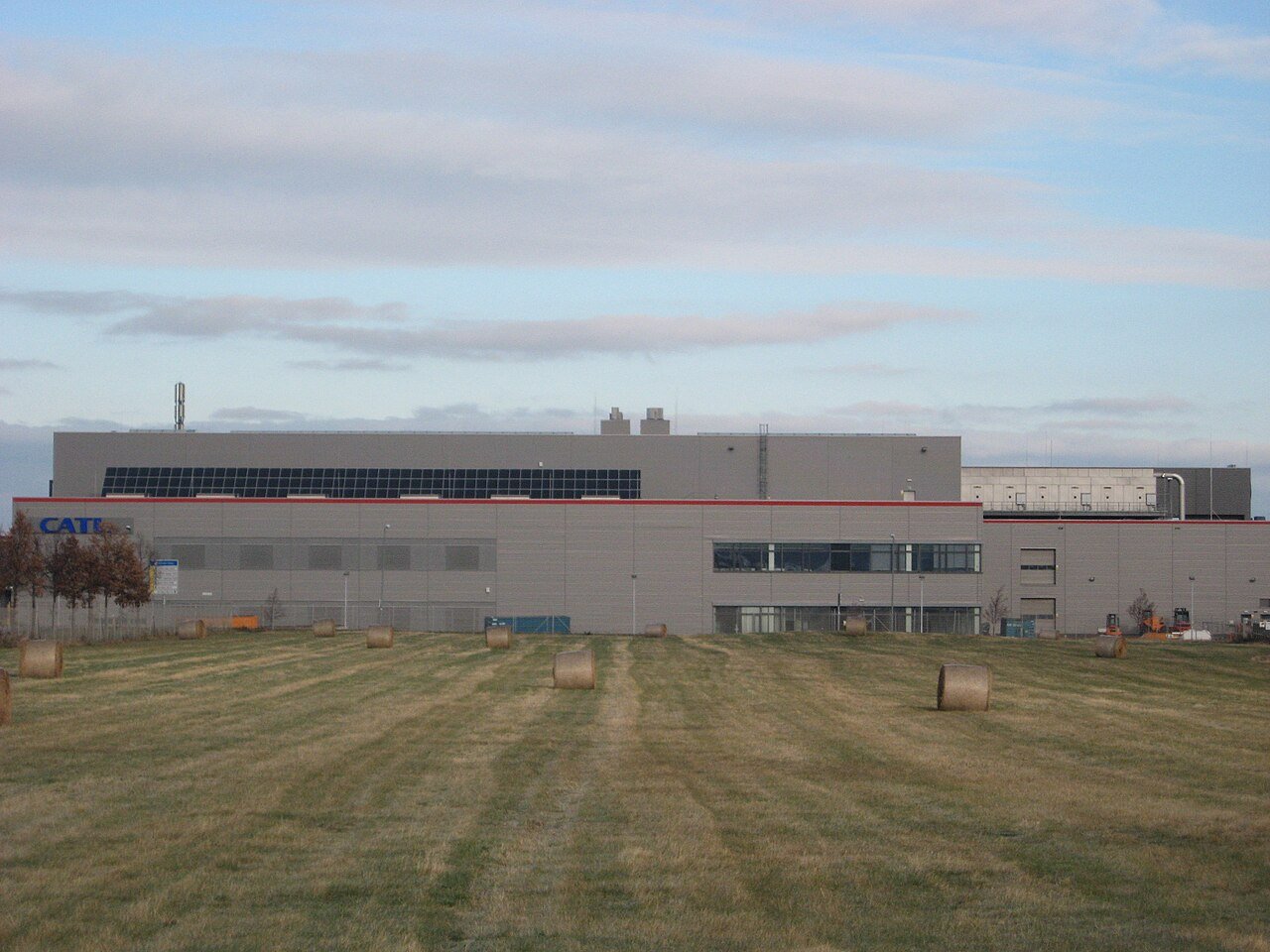
CATL says its sulfide-based all-solid-state battery has entered 20 Ah trial production, with a target of 500 Wh/kg. That sounds like a leap toward 600-mile EVs, but the details in Electrek’s report point to a much slower path. Here is what the company has actually said and what it has not.
What CATL announced
Responding to investor questions, CATL said it continues to invest heavily in all-solid-state batteries and expects to begin small-scale production in 2027. Output will be limited at first, with mass production around 2030. The sulfide cells have reached 20 Ah trial production while the company aims for 500 Wh/kg. Note the wording: 500 Wh/kg is an aim, not a measured result from these cells.
How far along is the technology?
At the Summer Davos Forum in June, CATL chairman and CEO Robin Zeng said that on a scale of one to nine, all-solid-state batteries have only reached level four. That is a useful reality check from the industry’s largest battery maker, which held a 39.9% share of the global EV battery market in the first half of 2026, per SNE Research as cited by Electrek.
The technical hurdle is named in the report. Sulfide electrolytes conduct lithium ions well and can deform, but keeping stable contact between the solid components is still hard.
Who else is racing
- Toyota: aims to launch the first all-solid-state EV in 2027 or 2028. A prototype it revealed last year is claimed to offer 745 miles of range and a charge in under 10 minutes. Those are Toyota’s claims, and it also expects limited production until near the end of the decade.
- Samsung SDI: aims to begin mass production of its SolidStack all-solid-state batteries in the second half of 2027.
- BYD: plans its first solid-state vehicle in 2027, with limited batches of sulfide batteries first and mass production by 2030.
So, 600 miles by 2027?
No source in this story supports that. Small-scale production in 2027 means pilot volumes, not cars on US dealer lots. Energy density also does not translate directly into range, since pack design, vehicle weight, efficiency and cost all matter. The 500 Wh/kg figure is a cell-level target, and a finished pack holds fewer watt-hours per kilogram than the cell. Our view, labelled as opinion, is that US shoppers should treat solid-state as a late-decade story.
Lithium iron phosphate is not standing still
Electrek points out that solid-state is only one part of the picture. CATL, BYD and others keep improving lithium iron phosphate (LFP) and sodium-ion batteries, which may offer cheaper and more efficient options. BYD’s second-generation Blade LFP batteries already deliver over 1,000 km (621 miles) of CLTC range, according to the report. CLTC is a Chinese test cycle, and US EPA figures for a comparable car would likely be lower, though we have no number for it.
What it means for home charging
This section is our inference rather than sourced fact. Home chargers supply power to the car, and the car manages the battery. A Level 2 charger and its connector should not need to change because of the cell chemistry inside, though charging speed claims such as Toyota’s under-10-minute figure would apply to DC fast charging rather than home units. If you are buying a home charger now, there is no sign you need to wait for solid-state.
What to watch
- Whether CATL’s 20 Ah cells reach the 500 Wh/kg target in published testing.
- Toyota’s 2027 or 2028 launch window.
- Samsung SDI’s second-half 2027 mass production plan.
- How the contact-stability problem is solved at scale.
Sources
Photo: Giorno2 / Wikimedia Commons, CC BY-SA 4.0 (CATL’s Arnstadt site). Source